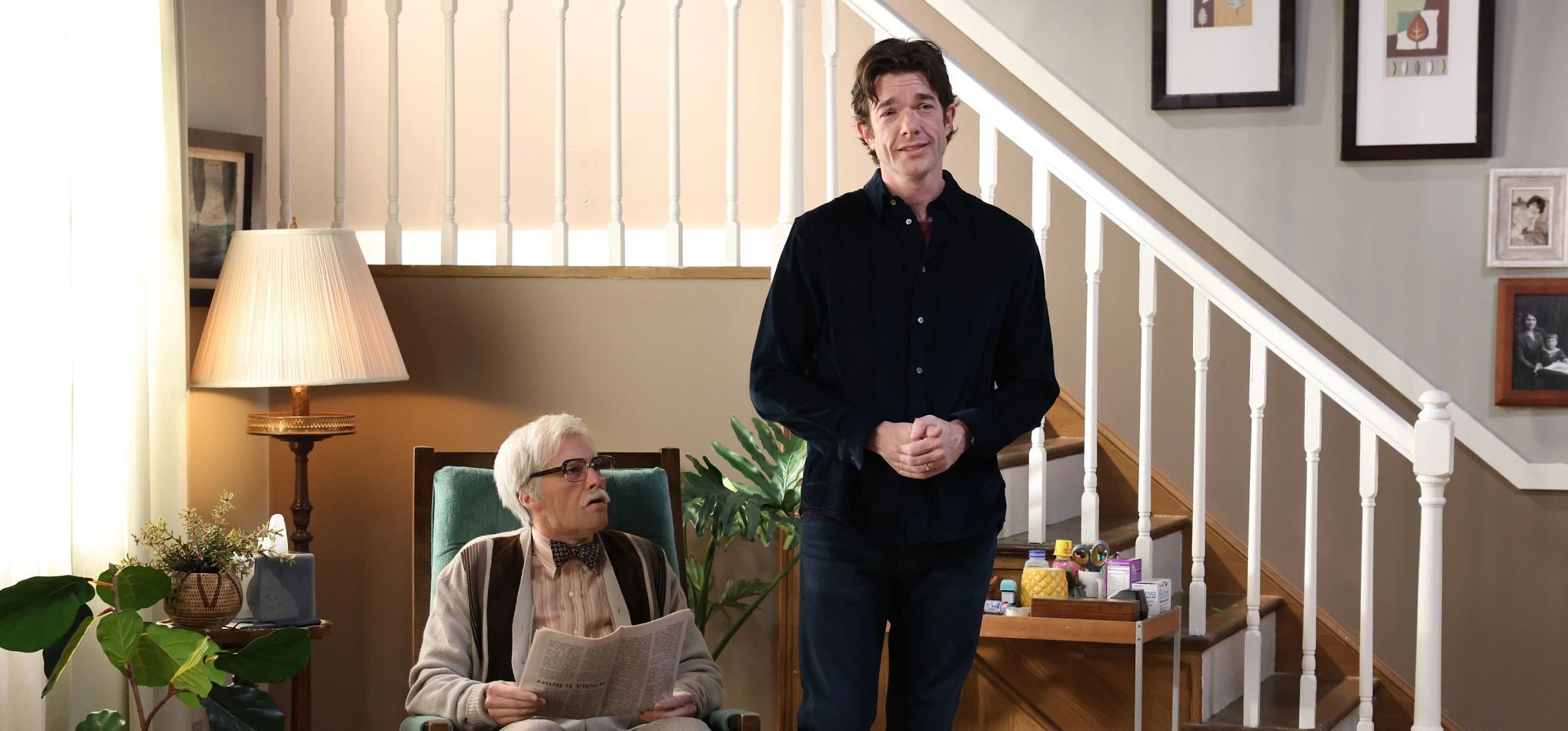
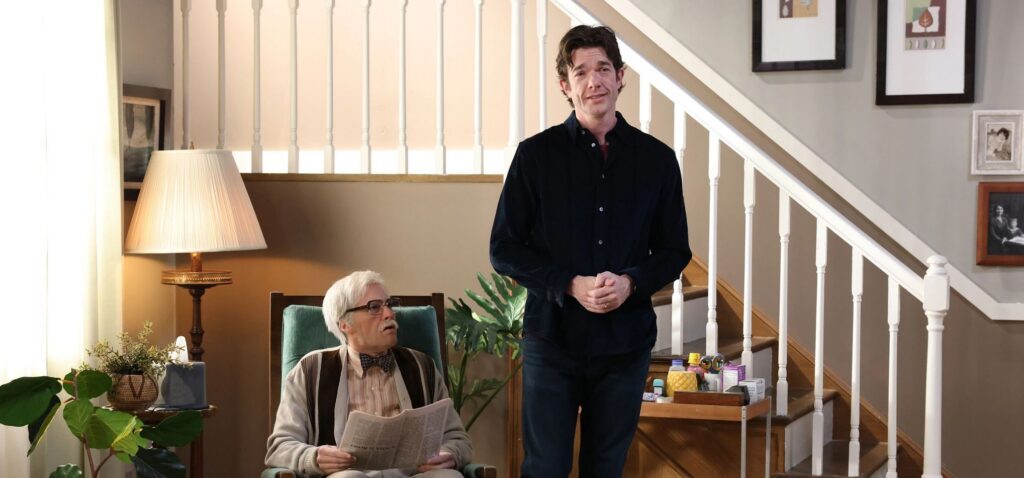
On November 14, host John Mulaney starred in SNL’s “Sister,” a fake commercial for a free, around-the-clock home care service that turns out to be your sister. Jane Wickline plays Sister, who drops everything the moment Dad falls, while her brothers happily get back to their own lives. It’s very funny, and for a lot of people it also hit a little close to home. The comments are filled with daughters saying some version of “I was Sister.”
We wanted to take the sketch seriously for a minute because, as funny as it is, it also captures something real about who carries the load, what it costs them and how families can share caregiving more fairly.
SNL’s Sister Sketch Shows Why Care So Often Lands on One Person
Caregiving rarely gets assigned at a family meeting. It tends to fall on whoever lives closest, has a “flexible” job, or picks up the phone first when something goes wrong. Very often, that person is a daughter. According to AARP and the National Alliance for Caregiving, there are now 63 million family caregivers in the U.S., and about 61% of them are women.
SNL’s sketch jokes that years of quiet expectations have convinced Sister that the job is hers and not her brothers’. Many viewers recognize that feeling, even in families where nobody ever says it out loud. Sometimes the default caregiver is a son, a spouse or a grandchild instead, but the pattern looks the same: one person ends up holding everything together, and everyone else relaxes a little because they know it’s handled.
The Work Nobody Sees
One of the sharpest parts of the SNL’s sketch is how much of Sister’s job happens out of sight. Beyond the hands-on care, she manages the medications, talks to the doctors, calls the insurance company and deals with the pharmacy. Her brother admits he doesn’t worry about Dad’s pills anymore because she takes care of it, and he’s never thought to ask whether she finds it stressful.
That invisible work is real, and it adds up. Keeping track of prescriptions, refills, appointments and Medicaid paperwork can take as much time as helping someone bathe or get dressed. It’s also harder to hand off because it all lives in one person’s head. Most family caregivers are figuring it out as they go, too. AARP found that only 11% have had any training for basic caregiving tasks.
What It Costs
In the sketch, Sister quits her job and breaks her lease to move home. That sounds like an exaggeration until you look at the numbers. AARP reported that 6 in 10 family caregivers also have a paid job, and half of those say caregiving has disrupted their work. Nearly 1 in 4 provide 40 or more hours of care a week, which is a full-time job on top of everything else. Caregivers spend roughly $7,200 a year out of their own pockets, and nearly 1 in 5 say their own health has suffered because of it.
The emotional cost is the one the sketch hits hardest. The fine print at the end warns that Sister may break down without warning, and plenty of people laugh because they’ve been there. Women, and people who feel they had no choice about becoming a caregiver are more likely to say they feel alone. Resentment between siblings can build quietly over years and linger long after a parent is gone.
How Families Can Share the Load
If any of this sounds familiar, there are a few things that can help.
- Talk before there’s a crisis. The best time to decide who does what is before someone falls. Sit down as a family, with your parent included, if possible. Talk about what they want, what each of you can realistically give, and how you’ll pay for help if it’s needed.
- Acknowledge the invisible work. Ask the main caregiver to write down everything they do in a typical week, including the phone calls and the paperwork. Siblings are often surprised by the list, and it gives everyone something concrete to divide up.
- Split the work by strengths and distance. A brother who lives three states away can’t drive Mom to appointments, but he can handle insurance calls, pay bills online or help cover the cost of a few hours of professional care each week. Living far away changes how you help, but it doesn’t mean you can’t.
- Check in on the caregiver, not only your parent. Ask how they’re doing and what would make next week easier, and then follow through on that one thing.
Where Home Care Fits
You don’t have to choose between doing everything yourself and moving a parent out of the home they love. A home health aide can take on daily tasks like bathing, dressing, meals and light housekeeping. That gives the family caregiver hours back in their week, and it lets them spend time with their parent as family again instead of as a full-time aide.
Many New Yorkers don’t realize that Medicaid may cover home care for an aging parent who qualifies. True Care works with families on both Medicaid and private pay across all five boroughs and Westchester, and we’ve cared for more than 7,000 New Yorkers since 2009. Our caregivers come from the same communities as the families they serve and speak more than 13 languages, so your parent can be cared for by someone who understands them. We can also help you work through the paperwork, which is often the part that keeps families stuck.
If You’re the Sister
If you watched SNL’s Sister sketch and saw yourself, please know that needing help doesn’t mean you’ve failed. The final joke of the ad is that the whole arrangement stops working once Sister finds a good therapist. There’s some truth in that. Support from a counselor, a caregiver group, your siblings or a professional home care team is what makes it possible to keep going without losing yourself along the way. Your parent deserves good care, and so do you.
If your family is trying to figure out what comes next, call us or send us a message. We’ll walk you through your options, including whether Medicaid may cover home care for your loved one.