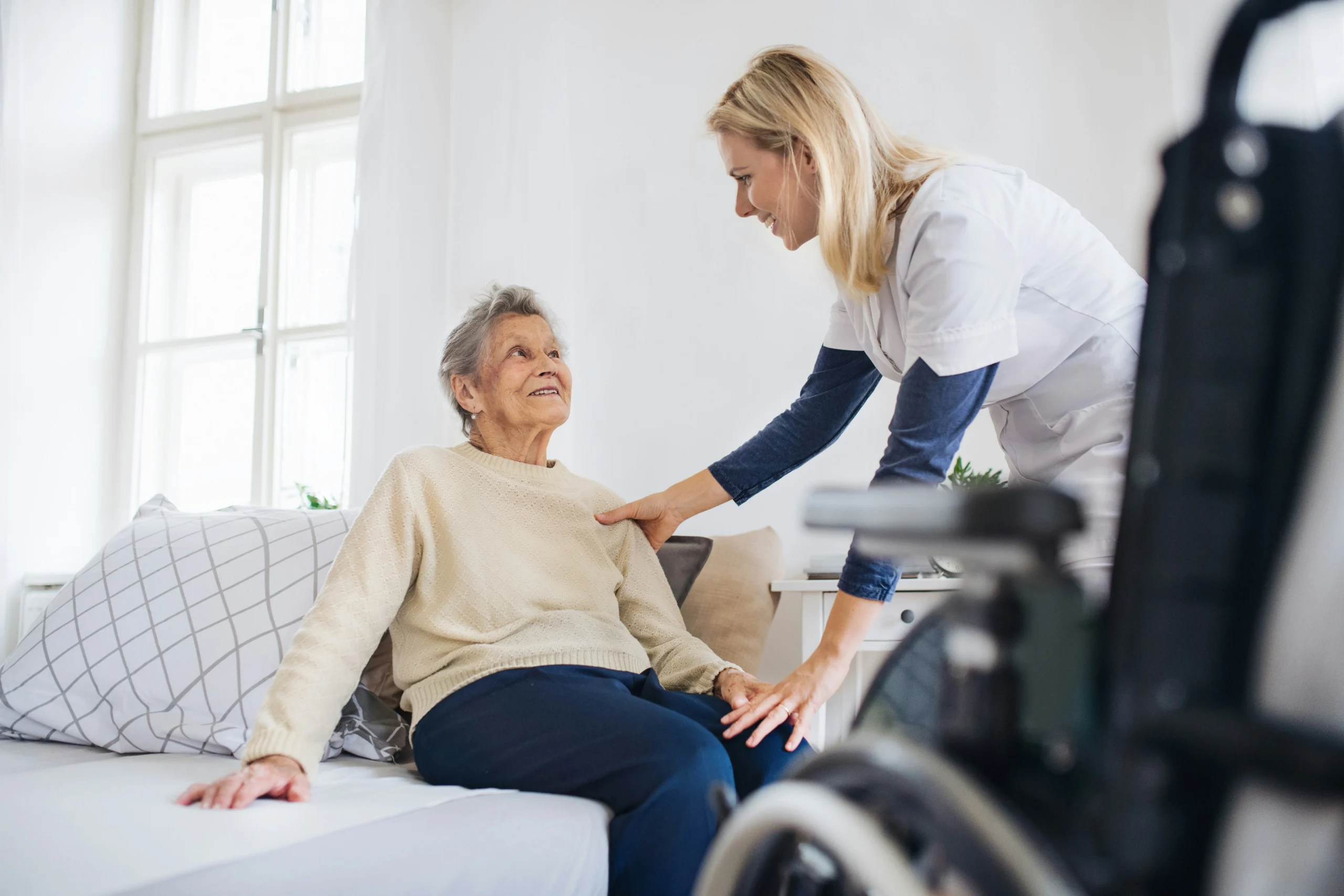
As the population ages and healthcare systems evolve, more families are choosing at-home care as a reliable, compassionate solution for their loved ones. From supporting seniors to assisting individuals with chronic illnesses or disabilities, home-based care offers flexibility, comfort, and personalized attention that institutional settings often lack.

In this comprehensive guide, we explore the benefits of home health aide, how it compares to other models, and why it may be the right solution for your family.

What Is At-Home Care?

At-home care, also known as in-home or home-based care, involves professional or non-professional assistance delivered directly in a person's place. Services range from basic help with daily tasks to skilled medical care provided by registered nurses.

Types of Health Aide at Home

  • Personal Care: Bathing, dressing, grooming
  • Companionship Services: Social interaction and engagement
  • Skilled Nursing Care: Administering medications, wound care, chronic disease monitoring
  • Therapeutic Services: Physical, occupational, or speech therapy at home
  • Household Support: Meal preparation, light housekeeping, grocery shopping

The Rising Demand of At-Home Care

According to the U.S. Census Bureau, the number of Americans aged 65 and older is expected to nearly double from 52 million in 2018 to 95 million by 2060. This demographic shift is driving demand for alternatives to nursing homes and assisted living facilities.

A 2023 report by the National Association for Home Care & Hospice (NAHC) found that more than 10 million Americans currently receive some form of in-home care. This number is projected to grow significantly in the next decade.

Why Are Families Choosing Home-Based Care?

  1. Comfort: Individuals prefer the familiarity of their own homes.
  2. Personalization: Care plans can be tailored to specific needs and preferences.
  3. Cost-Efficiency: Often less expensive than institutional care.
  4. Family Involvement: Easier for family members to participate in daily support.

The Benefits of Health Care

Greater Independence

With this service, individuals can maintain daily routines and lifestyle preferences with minimal disruption.

Improved Health Outcomes

Research published in the Journal of the American Geriatrics Society shows that patients receiving home-based care have fewer hospital readmissions and better medication adherence.

Emotional Well-Being

The emotional value of being at home—surrounded by personal belongings and loved ones—cannot be overstated. It reduces anxiety and depression, especially in seniors.

Who Can Benefit from At-Home Care?

  • Seniors aging in place
  • Individuals recovering from surgery or illness
  • People with disabilities
  • Chronic disease patients (e.g., diabetes, COPD)
  • Dementia and Alzheimer’s patients

How to Choose the Right Care Provider

Step 1: Assess Care Needs

Is help needed with daily activities, medical care, or both?

Step 2: Research Local Providers

Look for licensed providers with strong reviews and a history of reliability.

Step 3: Check Credentials and Certifications

Ensure caregivers are trained, background-checked, and appropriately certified.

Step 4: Ask About Personalized Care Plans

The best agencies offer care tailored to individual needs.

Home Care Services and Medicaid/Medicare

Many states offer Medicaid Managed Long-Term Care (MLTC) programs that cover in-home care services. Medicare may also cover certain skilled services if prescribed by a doctor.

Source: Medicaid.gov, Medicare.gov

Integration of Technology

Remote monitoring devices, telehealth platforms, and mobile apps are transforming how care is delivered at home.

Focus on Preventative Care

More providers are incorporating wellness checks and early detection services to keep individuals healthier at home.

Holistic and Culturally Sensitive Care

Modern agencies recognize the need for care plans that reflect patients’ cultural backgrounds, languages, and lifestyle values.

Final Thoughts

This solution is more than a service; it’s a philosophy of compassionate, personalized living. As healthcare continues to shift toward patient-centered models, home-based care stands out as a practical, humane, and empowering option.

Whether you're exploring care options for a parent, spouse, or yourself, this service offers the flexibility and dignity every individual deserves.

Learn more about homecare services at True Care here https://truecareny.com/services/home-care-service/


Sources:

Skip to content